
Medical Credentialing Services: The Key to Faster Provider Enrollment and Compliance
Healthcare providers across the United States face increasing pressure to maintain compliance, secure insurance network participation, and ensure timely reimbursements. Unfortunately, the credentialing process can be complex, time-consuming, and prone to delays when handled internally. This is why many physicians, medical groups, behavioral health providers, and healthcare organizations rely on professional medical credentialing services to streamline provider enrollment and maintain operational efficiency.
Whether you are opening a new practice, expanding your provider network, or adding new specialties, partnering with experienced credentialing experts can significantly improve your enrollment timelines and revenue cycle performance.
What Are Medical Credentialing Services?
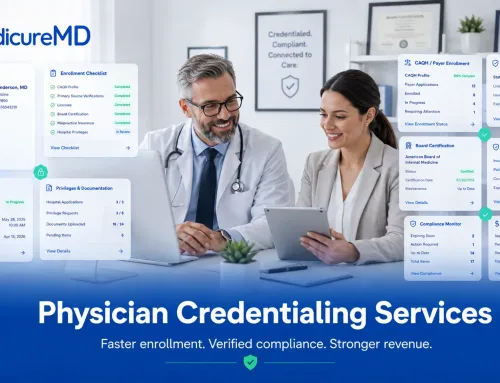
Medical credentialing services help healthcare providers verify and document their professional qualifications before enrolling with insurance companies, healthcare organizations, and government programs. The process involves validating education, licenses, board certifications, malpractice insurance coverage, work history, and other professional credentials.
Insurance companies and healthcare networks use credentialing to ensure providers meet established quality and compliance standards. Without successful credentialing, providers cannot participate in many insurance networks or receive reimbursements for covered services.
Professional credentialing services simplify this process by managing documentation, application submissions, payer follow-ups, and ongoing credential maintenance.
Why Medical Credentialing Is Critical for Healthcare Providers
Credentialing is more than an administrative requirement—it’s a vital component of healthcare compliance and revenue generation. Organizations such as the Centers for Medicare & Medicaid Services (CMS) and the National Committee for Quality Assurance (NCQA) establish credentialing standards that healthcare providers must meet to participate in many payer networks.
When credentialing is delayed or incomplete, practices may experience:
* Delayed insurance reimbursements
* Denied claims
* Missed revenue opportunities
* Compliance concerns
* Network participation delays
* Administrative inefficiencies
By investing in professional medical credentialing services, healthcare organizations can reduce these risks while maintaining smooth operations.
How Insurance Credentialing Services Support Practice Growth
As healthcare organizations grow, managing payer enrollment becomes increasingly complex. This is where **insurance credentialing services** provide significant value.
Credentialing specialists work directly with commercial insurance plans, Medicare, Medicaid, and managed care organizations to ensure providers are enrolled efficiently and accurately.
Key benefits include:
Faster Enrollment Processing
Credentialing experts understand payer-specific requirements and help prevent common application errors that cause delays.
Improved Revenue Cycle Performance
Providers can begin billing sooner when enrollment processes are managed effectively.
Reduced Administrative Burden
Practice administrators and providers spend less time gathering paperwork and following up with insurance companies.
Better Compliance Management
Credentialing professionals monitor expiration dates, licenses, certifications, and recredentialing deadlines to help maintain compliance.
For organizations looking to strengthen their enrollment strategy, our dedicated guide on Insurance Credentialing Services offers additional insights.
What to Look for in a Medical Credentialing Partner
Choosing the right credentialing company can directly impact your operational success. A reliable credentialing provider should offer:
* Comprehensive payer enrollment support
* CAQH profile management
* Commercial and government payer expertise
* Recredentialing services
* Compliance monitoring
* Regular status updates
* Dedicated credentialing specialists
Healthcare organizations should seek partners with proven experience and a strong understanding of industry requirements.
To learn more about comprehensive enrollment support, explore our Credentialing Services for Healthcare Providers page.
Why Healthcare Practices Choose MedicureMD
At MedicureMD, we understand the challenges healthcare providers face when navigating credentialing and payer enrollment requirements. Our experienced team helps practices manage every stage of the credentialing process, from document collection and verification to application submission and ongoing monitoring.
Our credentialing solutions help healthcare organizations:
* Accelerate payer approvals
* Improve credentialing accuracy
* Reduce enrollment delays
* Maintain regulatory compliance
* Support multi-provider practices
* Enhance revenue cycle performance
If you’re evaluating credentialing companies, our guide on Credentialing Services Providers in North Carolina provides additional information about selecting the right credentialing partner.
Frequently Asked Questions
What are medical credentialing services?
Medical credentialing services verify a healthcare provider’s qualifications, licenses, certifications, education, and professional history to facilitate insurance enrollment and compliance.
How long does medical credentialing take?
Most credentialing applications take between 60 and 180 days, depending on the payer, provider specialty, and completeness of submitted documentation.
What is the difference between medical credentialing and insurance credentialing?
Medical credentialing verifies provider qualifications, while insurance credentialing focuses on enrolling providers with insurance networks so they can receive reimbursements.
Why should healthcare providers outsource credentialing?
Outsourcing helps reduce administrative workload, improve application accuracy, accelerate approvals, and maintain compliance with payer requirements.
How often do providers need recredentialing?
Most insurance companies require providers to complete recredentialing every two to three years to maintain network participation.
Conclusion
Medical credentialing is essential for healthcare providers seeking to participate in insurance networks, maintain compliance, and optimize revenue cycle performance. By partnering with an experienced credentialing company like MedicureMD, healthcare organizations can streamline enrollment, reduce administrative burdens, and focus on delivering exceptional patient care. Professional credentialing services provide the expertise and support necessary to navigate an increasingly complex healthcare landscape successfully.